
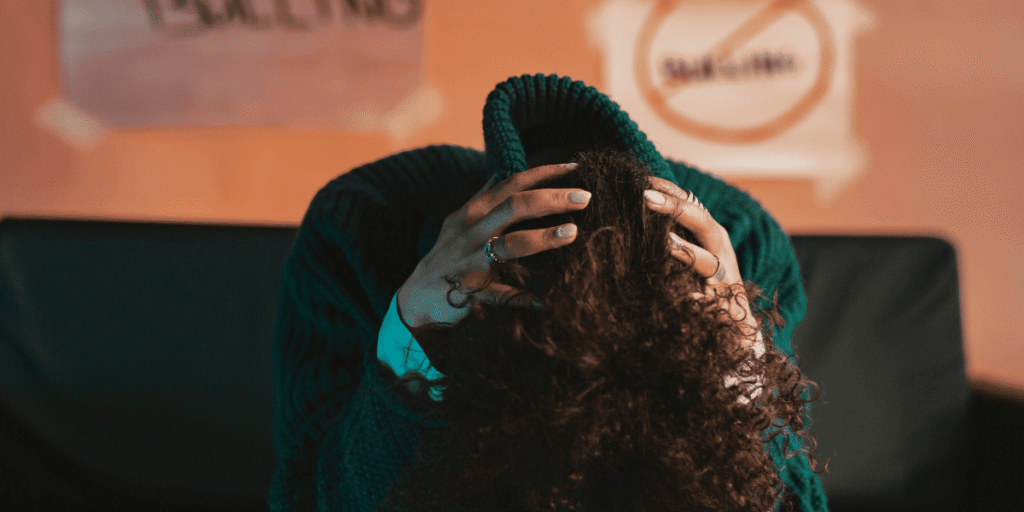
What if, every single day, you wake up afraid, knowing that the person who you share a home with can harm you: physically, mentally or financially. This is a reality that many Kenyans live in.
Domestic violence in Kenya is common, and it destroys families, breaking relationships and causing permanent scars.
But what if a victim steps forward to challenge the silence and pursue justice?
What is the Punishment for Domestic Violence in Kenya, and How does the Law Protect Victims of Domestic Violence and Gender-Based Violence in Kenya?
Let’s unpack this, with a look at the laws, consequences, and infrastructure in place for victims of domestic violence in Kenya, so you can know what to do.
What is The Definition of Domestic Violence in Kenya?
Domestic violence in Kenya means any form of abuse that is directed towards a spouse, partner or any other family member, which ranges from a wife, husband, children or any other relative.
It’s not just physical abuse, such as hitting or shoving, it also means emotional, sexual, economic and cultural abuse, such as being forced into marriage or female genital mutilation.
Domestic violence in Kenya is often perpetrated against women, but it can also affect men and children.
This problem is clearly defined by the Domestic Violence Act in Kenya, enacted in 2015, which offers a framework to shield the victims and mete out punishment to the offenders.
Why does this matter?
Well, the reality is that gender-based violence in Kenya is more prevalent than most people think. About 44% of women and 35% of men aged 15-49 have been subjected to some form of violence, says a 2014 Kenya Demographic and Health Survey.

These domestic violence statistics in Kenya indicate that it is a national concern that affects both genders and ethnicities in the country.
Types of Gender-Based Violence in Kenya
Before we delve into any legal ramifications, let’s unpack the nuances of gender-based violence in Kenya. Understanding both of these will help us see the big picture of the problem:
Physical Abuse
Hitting, kicking, slapping, or any other form of physical harm. It is the most visible form of domestic violence in Kenya and often results in bodily injury or, in the extreme, death.
Emotional and Psychological Abuse
Repeated language or behaviour that is demeaning, offensive or threatening, and which injures a person’s mental well-being. For instance, a spouse who is regularly subjecting their partner to psychological abuse or threatening to hurt them in that way, this type of behaviour can result in a restraining order.
Sexual Violence
This category comprises of Rape, forced prostitution and sexual intimidation within relation, which can even be regarded as marital rape.
Sexual and gender-based violence is a critical problem in Kenya, particularly when cultural norms discourage victims from coming forward.
Economic Abuse
This occurs when an individual controls or manipulates another’s finances, such as refusing to provide money for necessary expenses or preventing a spouse from seeking or holding a job.
Economic abuse is one reason that victims stay in abusive relationships in Kenya, where they may see no escape.
Cultural Practices
Customs such as early/child marriage, female genital mutilation, or widow cleansing (forced wife inheritance) are also recognized as forms of GBV in Kenya. They have deep roots in some communities but are illegal under Kenyan law.
All of these types of domestic violence in Kenya have brutal outcomes, ranging from physical injury to mental health challenges such as depression, anxiety, and others.
The Domestic Violence Act in Kenya considers all these forms and lays the ground for victims to find legal remedies.
Causes of Domestic Violence in Kenya

What keeps driving gender-based violence in Kenya? Kenya’s domestic violence causes Interrelated social, economic and cultural factors that underpin domestic violence in Kenya. Here are the key ones:
Patriarchal Society
Kenya, like any Country or society in Africa, is generally patriarchal. Entrenched gender roles place men in authority, and some of them feel entitled to “discipline” their partners. This mentality only encourages domestic violence within the African communities.
Economic dependence
Many women, in particular those with little education and who come from disadvantaged socio-economic backgrounds, depend on their partner financially. This reliance can then imprison them in their homes, where they might already be too scared to escape due to potential loss of income.
Ignorance
Some victims do not know their rights or where to turn for help. This is the case in rural Kenya, where cases of domestic violence usually aren’t reported because of shame or distrust of the authorities.
Alcohol and Drugs
Overuse of alcohol or drugs can contribute to the intensity of conflicts and violent behaviour. This is a typical cause of domestic violence cases in Kenya.
Cultural norms
In certain cultures, wife-beating is an appropriate way to settle conflicts. These social norms contribute to the high prevalence of gender-based violence in Kenya.
Understanding these causes also helps create a picture of why domestic violence in Kenya is so rampant and why there is a need for legal measures.
The Domestic Violence Act in Kenya
In 2015, Kenya made progress by implementing the Protection Against Domestic Violence Act, a legislation aimed at safeguarding the victims of gender-based violence in Kenya.
It is a fundamental law when it comes to domestic violence laws in Kenya, as it provides a clear definition of what amounts to abuse and how the victim can address the abuse. The reason it’s so important is this:
The Definition of Domestic Violence in Kenya is Comprehensive
The act does not define domestic violence in Kenya as purely physical violence, but includes emotional abuse, sexual abuse, psychological abuse and economic abuse as well as harmful customary practices.
It’s for anyone who has a domestic relationship with the offender, such as a spouse, former spouse, relatives or even good friends.
Protection Orders
The victim can file for a protection order, a legal order that prevents the abuser from being able to contact or harm the victim.
For instance, a court may require the abuser to remain away from the victim’s home or workplace.
Compensation of Victims
If a victim has been injured, property affected or suffered economic loss by domestic violence in Kenya, the court is allowed to order the abuser to pay compensation. It is a way for victims to get back on their feet.
Criminal Offences
Domestic violence, which is a criminal offence, such as a physical assault or sexual assault, can result in criminal charges and prosecution under the Penal Code or Sexual Offences Act. That means abusers could go to jail or be fined.
The Domestic Violence Act in Kenya is a valuable instrument, but not flawless. Some problems, such as vague language or a lack of funding for support for victims, make enforcement difficult. Yet it’s an essential step toward eliminating gender-based violence in Kenya.
Legal Consequences of Domestic Violence in Kenya

So, what does it mean if someone is convicted of domestic violence in Kenya? The punishment varies depending on the type of abuse and evidence presented. Here’s a look at what abusers could be up against:
Protection Orders
If a court issues a protection order, an abuser must abide by its terms. For instance, they could be prohibited from contacting the victim or visiting their home. Violating a protection order can result in arrest, fines, or jail time.
Criminal Prosecution
Various acts of domestic violence in Kenya, such as physical assault and sexual violence, constitute crimes under the Penal Code and Sexual Offences Act. For instance:
- Assault causing bodily harm is punishable by a maximum 7-year prison sentence.
- Rape/sexual assault under the Sexual Offences Act could result in up to 7 years/life imprisonment based on the severity.
- Murder, in the most egregious circumstances, results in life imprisonment or death.
Compensation
Judges can require abusers to cover medical bills, property damage or other losses incurred because of their behaviour. This is particularly critical for domestic violence survivors, who might need financial assistance to get back on their feet.
Divorce or Separation
Cruelty is an acceptable reason for divorce according to Kenya’s Matrimonial Causes Act. In Kenya, women victims of domestic violence have been able to use evidence of assaults to divorce husbands and seek maintenance for themselves or their children.
Custody and Visitation
In agreements concerning children, courts weigh the child’s safety. An abuser may lose custody or might only be able to see his children under supervision because his behaviour is dangerous.
These Kenyan domestic violence charges prove the law takes gender-based violence seriously. Yet, obstacles such as underreporting and a lack of police training can make it difficult for victims to obtain justice.
Gender-Based Violence/Domestic violence in Kenya Against Men
Despite the majority of victims being female, gender-based violence against men in Kenya is also an issue. Men can experience physical, psychological or economic abuse from their partners or other family members.
For instance, a woman might control or ridicule her spouse, or cut him off from joint funds.
But men are less likely to report the abuse because of the stigma surrounding male victims and because society expects men to be “tough.”
Men are also protected by the Domestic Violence Act in Kenya, and can be granted a protection order and compensation.
Men form a smaller but significant percentage of victims of domestic violence in Africa, according to statistics.

In Kenya, 35% of men between the ages of 15 and 49 have said they have experienced violence, the Kenya Demographic and Health Survey said. Recognition of this helps ensure that all victims of gender-based violence in Kenya receive the support they need.
Incentives and risks of participating. Key obstacles like fear play a significant role when addressing domestic violence in Kenya.
Challenges in Addressing Domestic Violence in Kenya
Underreporting
Many victims, especially women, do not report abuse out of shame, fear of retribution or because they lack confidence in the system. This has ensured that domestic violence in Ke6y continues to be a veiled issue that is unresolved.
Cultural Obstacles
Gender violence in Kenya has been accepted as a reality in some areas. For instance, certain people will defend a man’s beating his wife for “misbehaving.” These attitudes take time to change.
Limited Resources
Shelters, counselling services, and legal assistance for victims of domestic violence tend to be under-resourced. This makes it difficult for abused spouses to leave their relationships in Kenya.
Police Response
The Domestic Violence Act obligates the police to help the victims, but some officers are not trained, and others dismiss the incidents as “family matters.” And this can deter victims from seeking help.
Court Delays
The wheels of justice turn slowly, and victims can be intimidated by abusers in court appearances.
These challenges demonstrate the importance of greater awareness, improved funding, and more vigorous enforcement of domestic violence laws in Kenya.
Support for Domestic Violence Victims in Kenya
If you or someone you know is experiencing domestic violence in Kenya, here are a few ways to get help. The Domestic Violence Act empowers victims to apply for orders of protection through resident magistrates’ courts.
You don’t need a domestic violence lawyer in Kenya to apply; representatives such as family members, police officers or social workers can assist in applying.
There are also domestic violence hotlines in Kenya, including a toll-free line run by the State Department of Gender Affairs, which has recorded more than 47,000 cases in recent years.
Groups like the Federation of Women Lawyers (FIDA) Kenya provide legal aid and counselling. If you require a domestic violence lawyer, you can get in touch with FIDA and any of the other NGOs for cheap, or even free, legal representation.
Community programs such as those that offer vouchers for medical care or referrals to shelter are also expanding. These initiatives seek to provide the women victims of gender-based violence in Kenya with the tools they require to start over.
Domestic Violence in East Africa
Domestic violence isn’t a problem exclusive to Kenya, it’s a larger issue throughout East Africa. The kind of domestic violence in East Africa is often for similar reasons as well: Patriarchal norms and economic inequality.
Countries like Uganda and Tanzania post high levels of GBV as well, as women continue to experience violence at the highest rates.
Domestic violence among African communities has generally been underreported because of community stigmas. Still, Kenyan laws, including the passage of the Domestic Violence Act, are leading the way in the region.
Elimination of Gender-Based/Domestic Violence in Kenya
Kenya still has a long way to go in the battle against gender violence; however, these domestic violence laws in Kenya are a progression in the right direction.
The Kenyan Domestic Violence Act is comprehensive, covering protection orders, criminal sanctions and victim compensation.
However, that requires changing cultural attitudes, training police, and increasing funding for victim support to make these laws effective.
For anyone experiencing domestic violence in Kenya, know that you are not alone. Contact Kenyan domestic violence hotlines and organizations like FIDA, and stop by a local magistrate’s court to find out your options.
We can help break the cycle of abuse and create a safer future for everyone.
When victims of gender-based violence in Kenya understand both the legal risks and the sources of support, they can begin and continue on a journey of justice and restoration.
Let’s not let the conversation die; we should work on creating a Kenya where every home is a safe space.


